Hormones, the powerful chemical messengers in our bodies, have a significant impact on our skin health at every stage of life. Understanding how hormones influence our skin is crucial for effectively managing common skin conditions such as acne, melasma, and other concerns that may arise.
One of the most common skin issues influenced by hormones is acne. Hormonal fluctuations, whether during puberty, the menstrual cycle, or periods of stress, can lead to an increase in sebum production. Excess sebum can clog pores and result in acne breakouts, particularly along the chin and jawline in adults. Hormonal acne often manifests as deep, cystic pimples that can be challenging to treat with topical skincare alone.
Melasma, another skin condition affected by hormones, is characterized by dark patches or hyperpigmentation on the face. While melasma is commonly associated with pregnancy (“the mask of pregnancy”), hormonal changes due to factors like birth control pills, hormone therapy, or even phytoestrogens in plant-based diets can also contribute to its development.
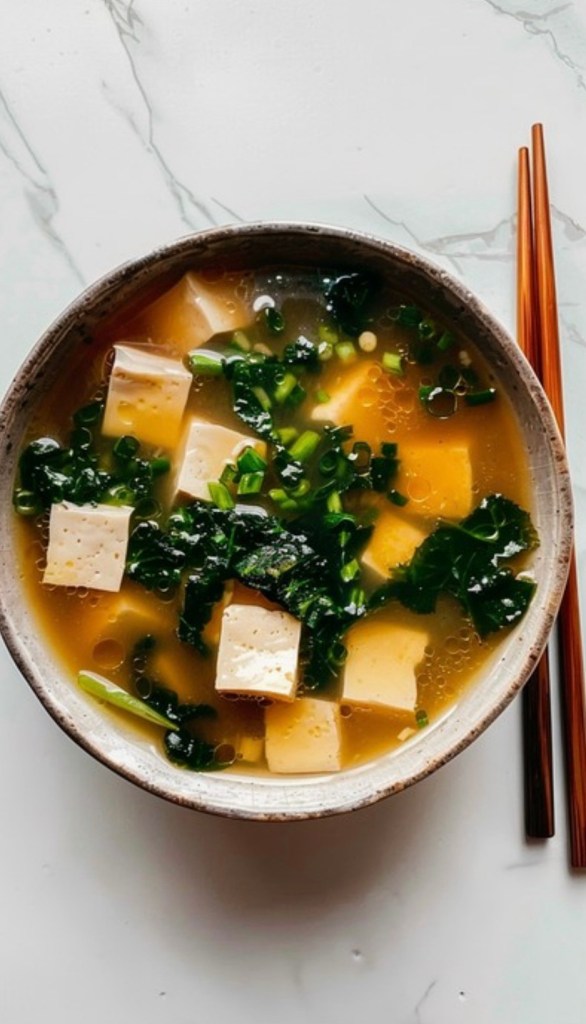
Speaking of phytoestrogens, these plant-derived compounds mimic the effects of estrogen in the body. So legumes or food products made out of legumes like tofu will have phytoestrogen in them. While consuming a vegetarian diet rich in phytoestrogens can have various health benefits, some individuals may be sensitive to these compounds, leading to hormonal imbalances that trigger skin issues like melasma or acne.
To effectively manage skin concerns related to hormonal fluctuations, it is essential to take a holistic approach that addresses both internal and external factors. Maintaining a balanced diet rich in nutrients and antioxidants can support hormonal balance and overall skin health. It’s important to be mindful of excessive consumption of phytoestrogen-rich foods if you are prone to hormonal skin issues.
In your skincare routine, consider using products that target specific skin concerns related to hormonal imbalances. For example, acne-fighting ingredients can help address hormonal acne, while brightening agents may be beneficial for managing melasma. Consistency in skincare routines is key to effectively managing these conditions.
If hormonal skin issues persist or worsen, it’s advisable to consult a dermatologist for personalized treatment options. These may include prescription medications, hormonal therapies, or advanced skincare procedures tailored to your specific needs.
By understanding how hormones influence our skin and taking proactive steps to manage hormonal imbalances, we can unlock our true beauty and achieve healthy, radiant skin at every age. Being aware of the impact of hormones on our skin allows us to make informed choices that support our skin’s well-being and overall health.
 My Aesthetician, Gretchen
Leave a comment